Saturday rush / event day: design the queue and checkout before it hits
Design Hong Kong card-shop event and release-day queues and checkout early: split flow, held tickets, locked prices and a second till: less chaos and fewer wrong tickets in the rush.
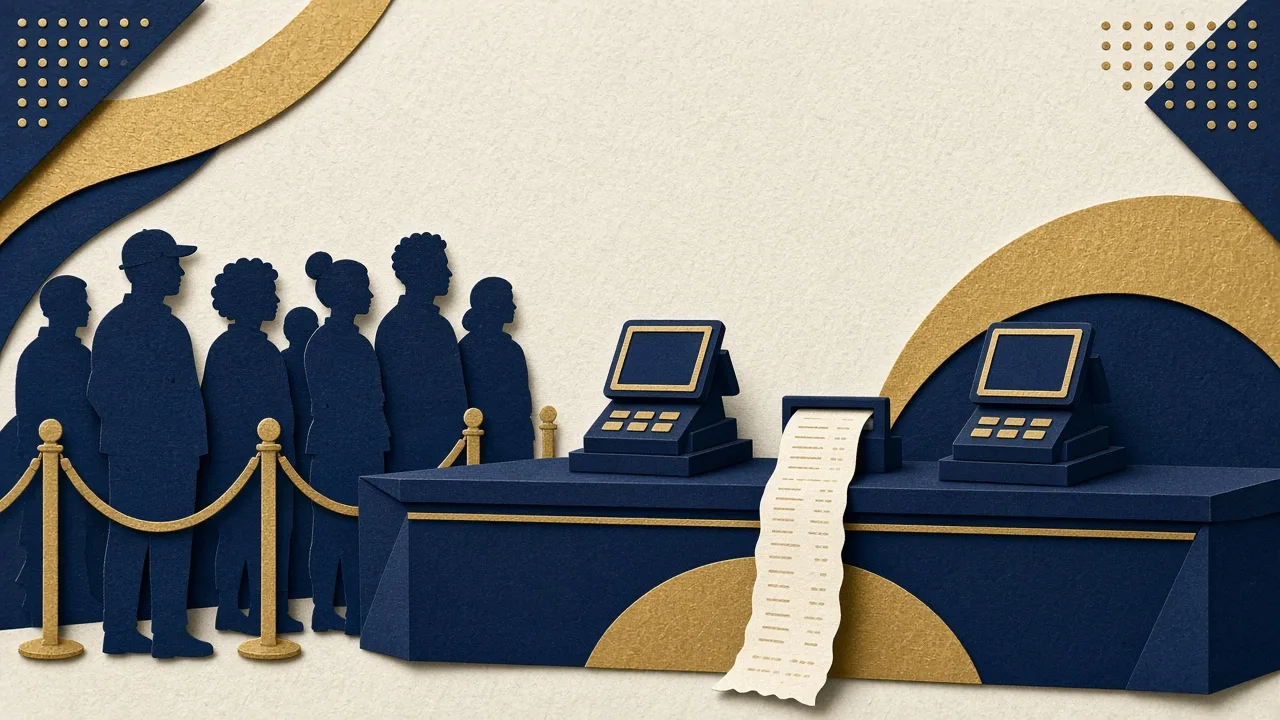
Release morning, eleven o’clock. Queue already past the door. Counter juggling: “got that single?”, sealed buys, event price checks, change. Hong Kong card shops, hobby shops and limited-drop stores both dread and live for event days: locals, new product drops, collabs, weekend footfall. People willing to queue means demand. If till and order flow were never designed, the queue becomes gripes, wrong tickets and staff burnout.
“Hire one more person” sometimes helps. If the process is still one bottleneck, the second person is just another body in the same scramble. Designing queue and checkout ahead usually beats improvising on the day.
Draw the customer path first
On paper or a floor sketch mark: entrance → browse / sign-up → wait in queue → pay → leave (or sit for the event). Ask:
- Do browse and queue zones collide?
- Do price-checkers who have not decided block the till?
- Are paid collection and unpaid the same line?
Where you can, split “ask / pick” from “pay”. Even in a tiny shop, floor tape or a short barrier beats everyone crushed at the counter.
Orders: hold, recall, don’t double-ring
Classic event-day failures: customer half-picked, nips to the loo or texts a friend, staff clear the half ticket; or two staff ring the same customer twice. Agree in advance:
- Hold / park the ticket: Unpaid can sit; call the next person.
- Ticket number or name label: So recall matches.
- One person, one ticket: Who starts follows through (or a clear handoff).
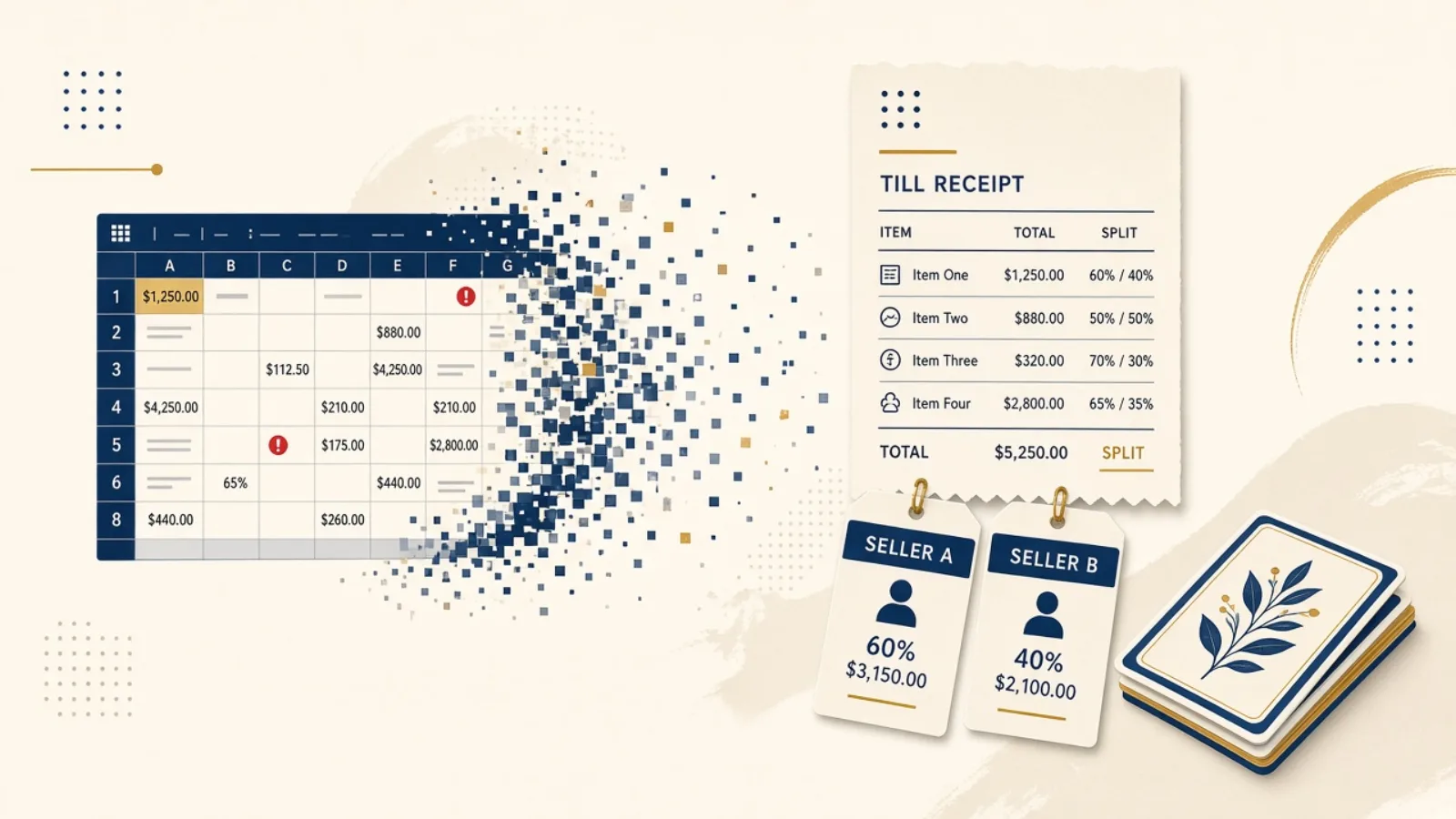
- Price lock: Event and bundle prices fixed on the ticket. No mid-queue renegotiation fights.
If the system supports hold-and-recall, staff stop relying on memory or a pile of scrap paper. That is the real field test of whether a POS keeps up on event day.
Queue experience: information calms more than raw speed
People can wait. They struggle with “how long?” and “what are the rules?”. Prepare:
- Today’s sell rules (limits, bundles, member priority) at queue head and on IG Story
- Which tenders you take; enough cash float for change
- Periodic call-outs or “now serving…” updates
When do you open a second till? Set a trigger (e.g. queue over N people, or a fixed time slot), log in ahead, open only the permissions needed: avoid hunting passwords mid-rush.
Event prices and stock: settle at the head of the queue
Worst conflict: reach the counter and learn “that one’s gone” or “event price first 50 only”. Steadier: system or list shows sellable qty live; sold-out signage updates at once; limit rules posted at queue head. When singles and sealed run in parallel, avoid two counters selling their own way: double-deduct or miss-deduct stock.
On event days, value usually sits in: fast search for the right variant, hold-and-recall, controlled price changes, and sales that deduct stock live, so Saturday’s queue becomes a manageable rhythm, not a disaster show. Stribe POS is shaped for those counter needs.
Ten minutes after the rush still matter
When the crowd thins, do at once: this shift’s day-end, review odd tickets (voids / refunds), retag sold-outs, one staff note on “next time improve”. Write while memory is fresh; the next event actually gets better.
Roles on the day: not just “everyone help at till”
Name roles before doors open: queue marshal (rules and expectations), floater (fetch sealed / binder pulls), till one (main pay), till two (overflow, limited permissions), stock spotter (sold-out signs). Cross-trained staff can rotate, but one person owning the queue announcements stops contradictory rules shouted from two ends of the line.
Brief everyone for five minutes on price locks and hold-ticket rules. The brief is cheaper than mid-queue arguments. If you use Stribe POS holds and variant search, that briefing should include one live demo ticket so muscle memory is fresh, not a slide from last month.
After the event, keep the role list with your “next time” notes. The second event of the season should start from last time’s paper, not from memory of the chaos.
Related reads: Multi-till, multi-staff: permissions and shift handover without chaos and Tournament Saturday: the queue
What’s next
Before the next event, run a 15-minute tabletop on the path and the four hold-ticket rules above. If you want the till to keep up on search, holds and stock deduct under pressure, book a Stribe POS demo or enquire with Retail Sale Solutions. We can walk the flow against your event type.